Natural snow
The truth is simple
Different process.
Same fundamental ingredient. Real snow.
There's nothing fake or artificial about snow made through snowmaking. Natural snow and machine-made snow are both frozen water. The way the crystals form can differ - but the snow is real.
Machine-made snow
H₂OSame water
❄Same ice
✓Real snow
Why make snow?
Making the most of every Australian winter.
Australia's alpine environment has always been variable. Snowmaking gives resorts another tool to complement natural snowfall, establish a more durable base and respond quickly when conditions are right.
It helps resorts augment natural snow, prepare high-traffic areas, maintain coverage and provide greater operational certainty across the season.
Snowmaking isn't a replacement for winter. It's part of how modern snow resorts operate across the world.
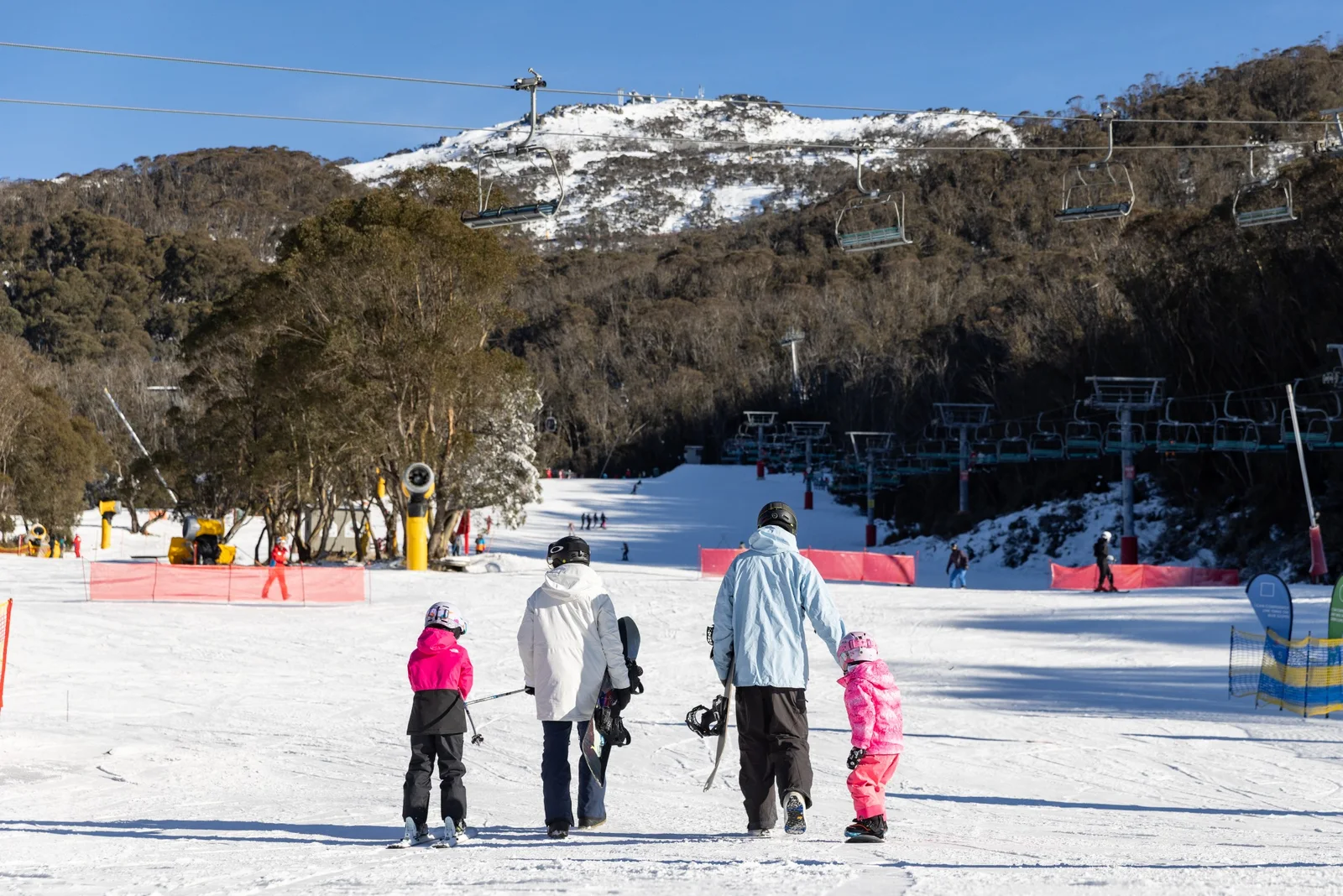
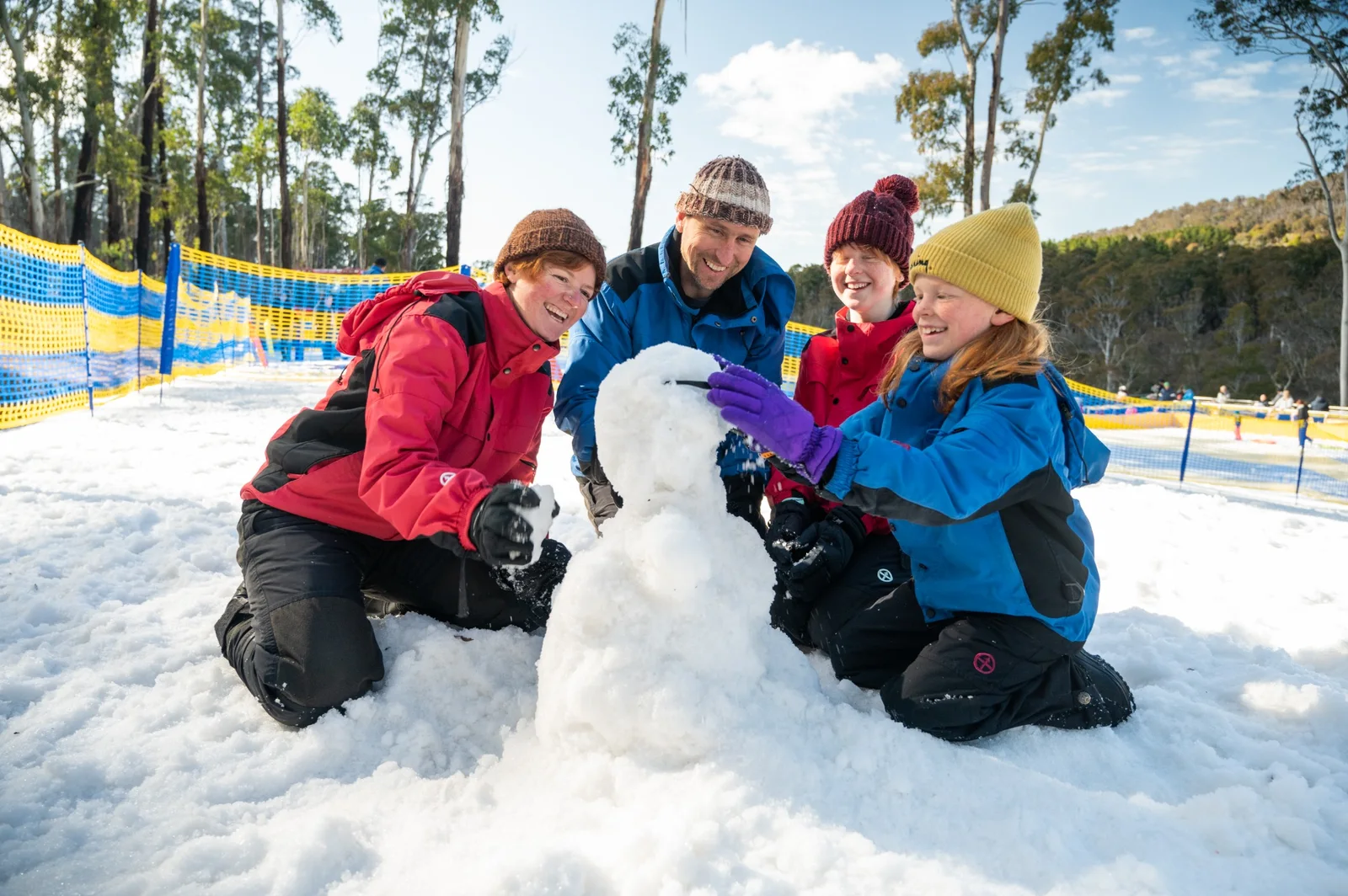
From Australia and New Zealand to Europe, North America and Japan, resorts invest in snowmaking to complement natural snowfall, build and maintain a reliable snow base and provide guests with a more consistent snow experience.
How snowmaking works
Science. Not magic.
Water, air and the right conditions.
Conventional snowguns don't freeze water inside the machine. They create the conditions for nature to do the freezing.
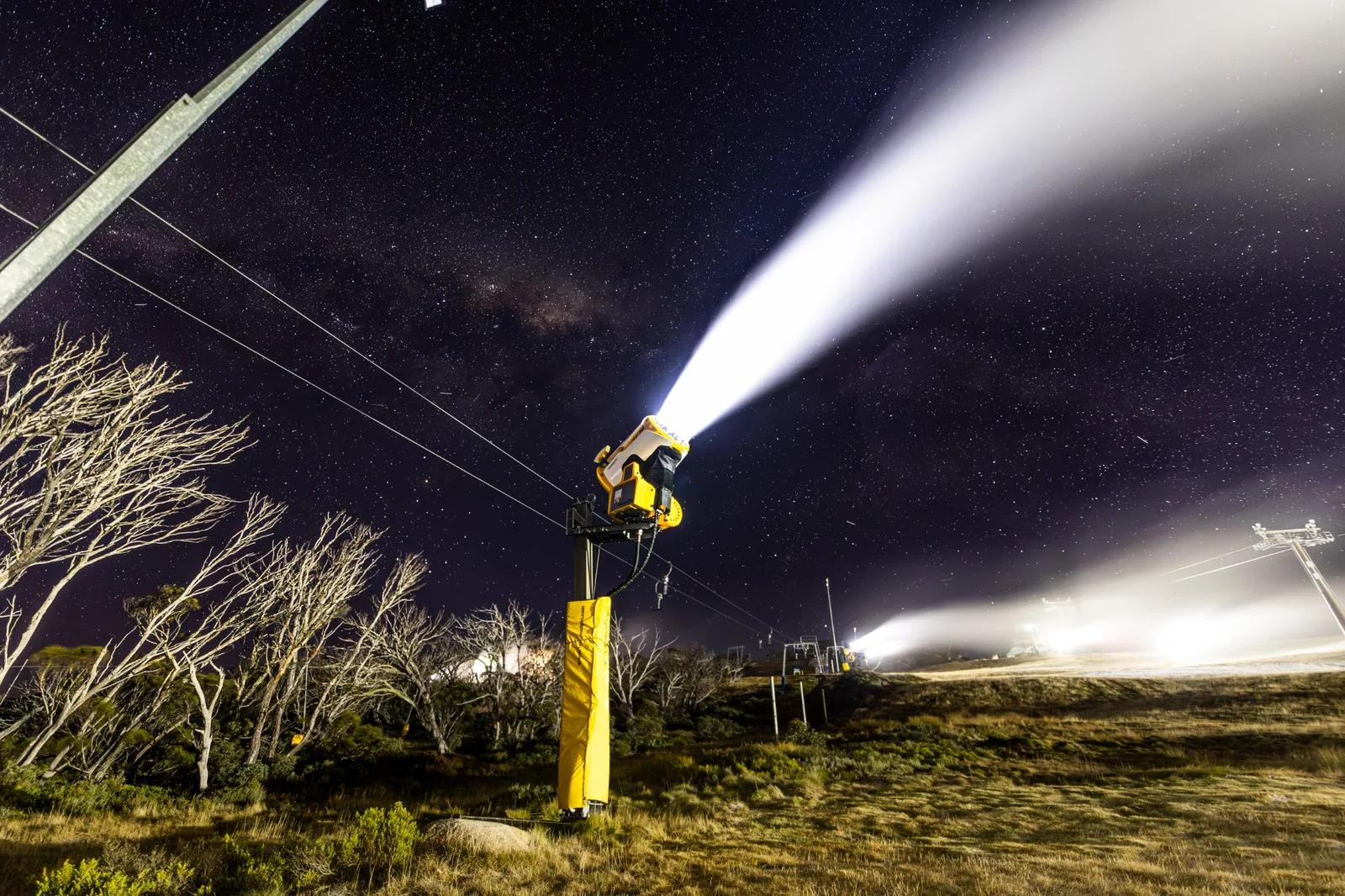
Water
Pressurised water is pushed through precision nozzles.
Tiny droplets
The water is atomised into thousands of microscopic droplets.
Cold, dry air
The droplets travel through suitable atmospheric conditions.
Ice forms
The droplets freeze into small ice particles before reaching the ground.
Snow on the ground
Millions of frozen particles build the base you ski, board and play on.
It's all about the air
What is wet-bulb temperature?
Temperature isn't the whole story. Humidity matters too. Conventional snowmaking is governed by wet-bulb temperature - the interaction between air temperature and humidity.
Making snow above freezing? Yes - when the air is dry enough. Low humidity can create suitable wet-bulb conditions even when the air temperature is above 0°C.
Try it yourself
Change the temperature and humidity to see how the wet-bulb temperature responds.
Approx. wet-bulb temperature-3.6°C
+4°C outside. Low humidity can still create snowmaking conditions.
Approximate wet-bulb temperature calculated using ASHRAE psychrometric methodology and a representative Australian alpine elevation of 1,600 metres. Actual conditions vary with elevation, atmospheric pressure, water temperature, snowmaking technology and site conditions.
But what if it isn't cold enough?
Snowmaking technology has evolved.
Discover All-Weather Snowmaking ↓Next-generation technology
Snowmaking.
Whatever the weather.
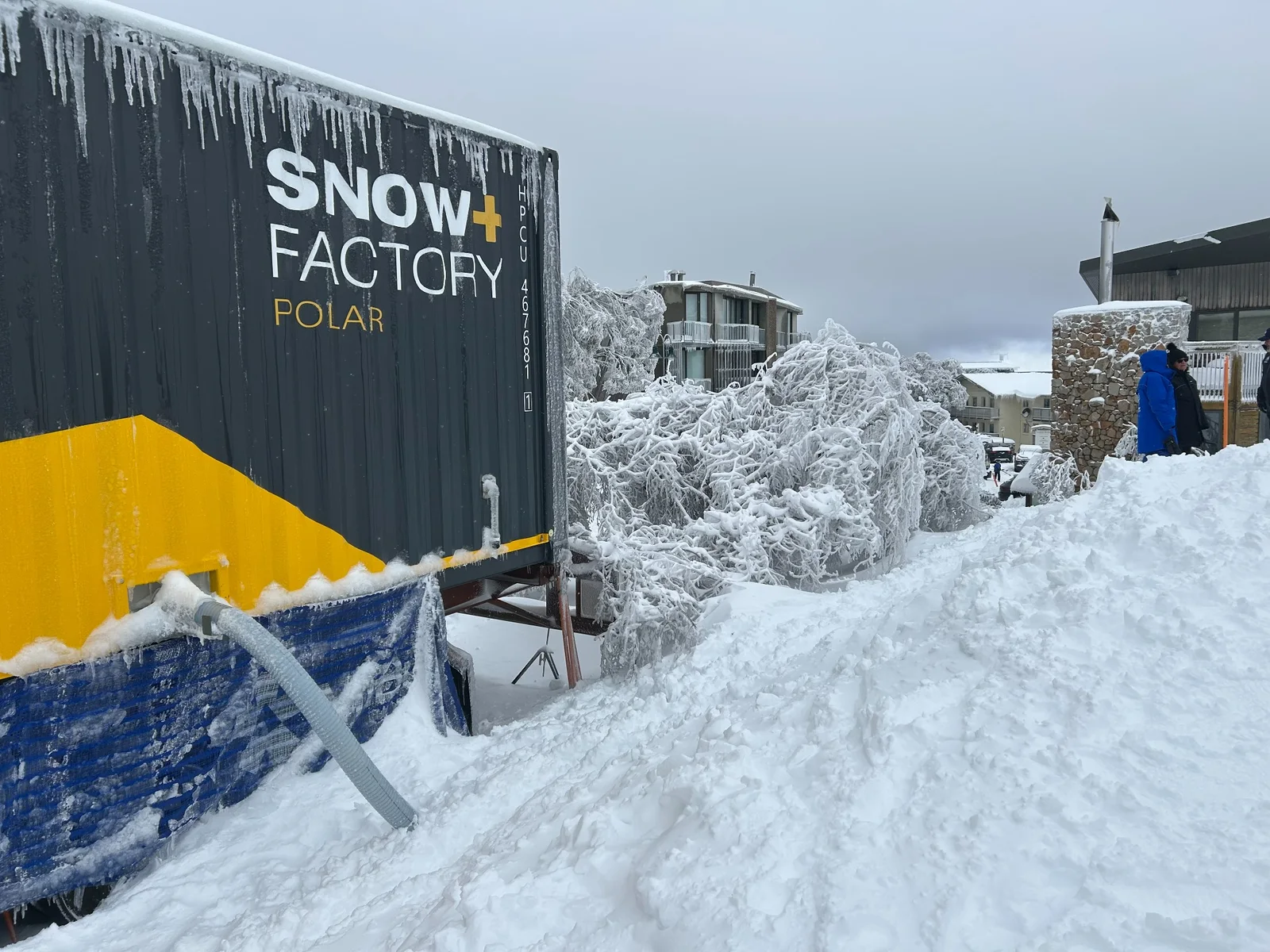
Traditional snowmaking relies on suitable atmospheric conditions. All-Weather Snowmaking Systems use refrigeration-based technology to produce snow independently of conventional snowmaking conditions.
Sometimes referred to as Snow Factories, systems operating in Australia can produce snow in ambient temperatures of up to +20°C.
-5°C0°C+5°C+10°C+15°C+20°C
Conventional SnowmakingCan operate above 0°C when humidity is sufficiently low. Snowmaking has occurred in Australian resorts during the 2026 snow season at air temperatures of +4°C.
All-Weather SnowmakingOperates independently of wet-bulb or ambient temperatures and can produce snow up to +20°C.
Actual operating conditions at each resort depend on a range of factors including wet-bulb temperature, snowmaking technology and site conditions.
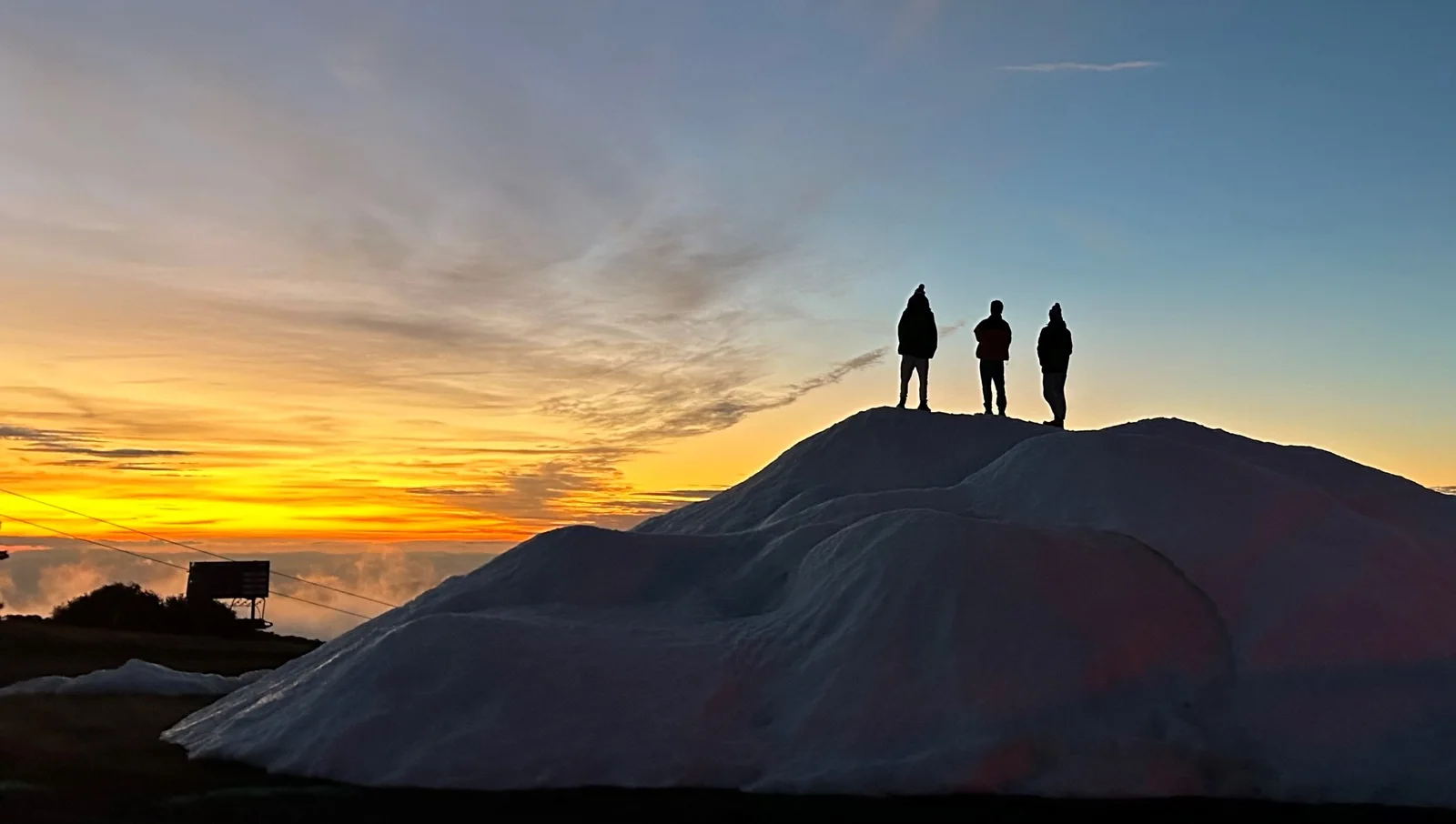
A new level of certainty
Produce. Stockpile. Deploy.
All-Weather Snowmaking Systems allow resorts to build snow stockpiles ahead of the season and deploy that snow into defined areas. This enables resorts with the technology to underpin guaranteed snow coverage in specific products and locations.
All-Weather Snowmaking Systems currently operate at Mt Buller, Thredbo, Corin Forest and Dinner Plain. A number of other Australian resorts are working through planning approval processes to enable deployment in the near future.
Smarter snowmaking
More capable. More responsive. More efficient.
Today's systems can react faster to short snowmaking windows, automate production and use water and energy more efficiently.
In Australia, where conditions can shift quickly, the ability to start within minutes rather than hours can make a meaningful operational difference.
This investment is part of a global trend. Snow resorts around the world continue to invest in more efficient, automated and sophisticated snowmaking technology.
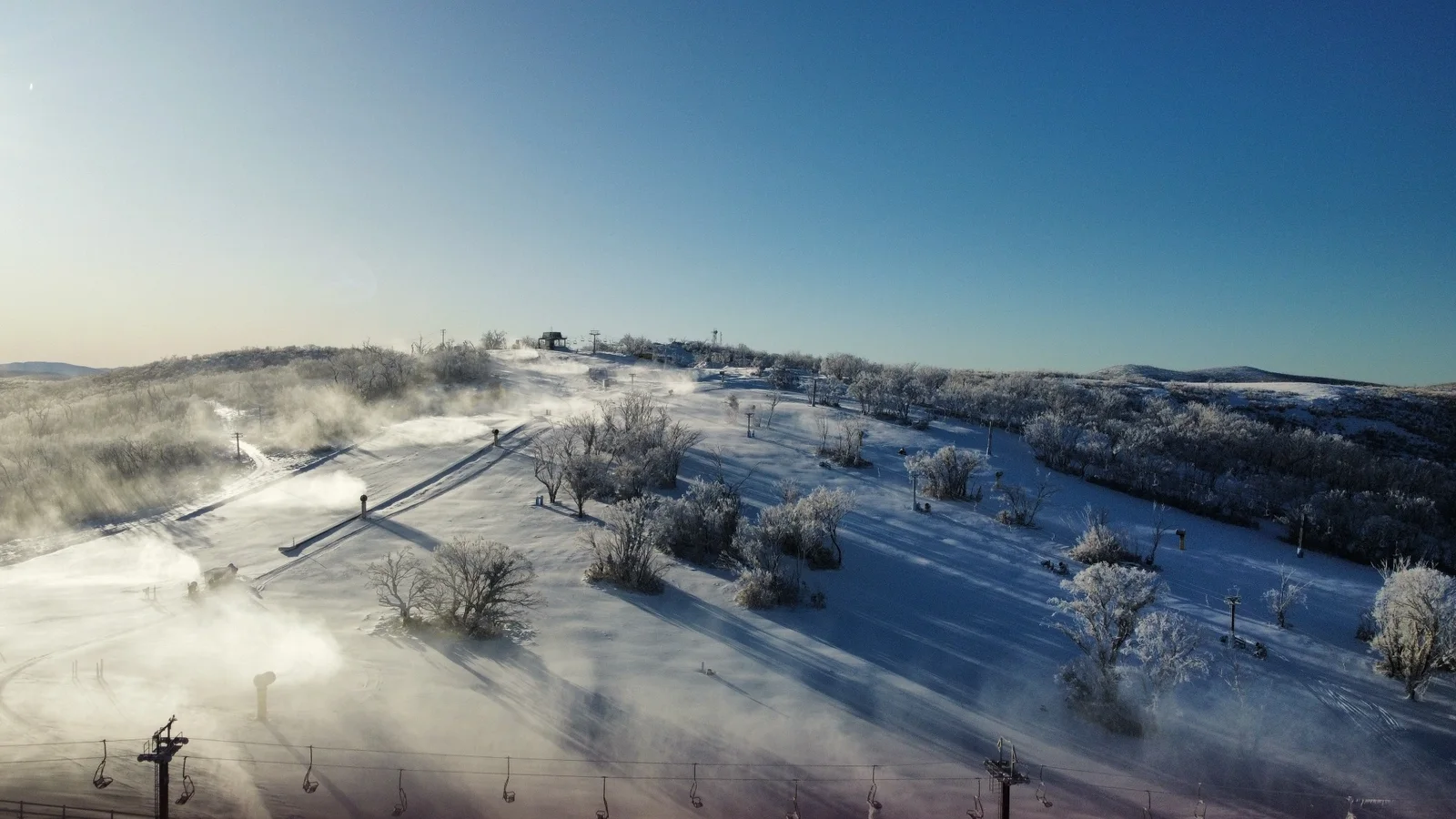
more snow production
Some resorts have achieved this increase with the latest-generation TechnoAlpin TL lance technology.
decrease in energy use
Potential energy savings through optimised water and nozzle control.
improved operating range
Latest-generation snowmaking technology can operate at temperatures up to 2°C warmer than previous-generation systems.
to activate automated snowmaking
Automation lets operators capture viable snowmaking conditions as soon as they arrive.
Technology examples above are drawn from TechnoAlpin's Snowmaking Insights Australia - May 2026 and refer to specific technologies/installations.
Read TechnoAlpin's Snowmaking Insights Australia - May 2026
Read TechnoAlpin's Snowmaking Insights Australia - May 2026
Managing snow on the mountain
Making snow is only part of the story.
Snowmaking plays an important role in Australian resorts, but how that snow is managed is just as important. Resorts also work to protect, move, retain and prepare snow across the mountain - making the most of both natural snowfall and machine-made snow.
Grooming
Grooming redistributes and compacts snow to create a more durable, consistent surface and help resorts make the most of available coverage.
Snow farming
Snow farming is about moving, storing and redistributing snow where it is needed most - including after wind events and storms, or to support high-use and priority areas.
Snow fences
Snow fences help capture wind-blown snow and reduce losses from exposed terrain, helping to retain snow where it can be used most effectively.
Terrain preparation
Summer vegetation and terrain preparation can reduce the depth of snow needed before terrain can safely open, helping resorts use available snow more efficiently.
In Australian resorts, snow management is about more than making snow - it's about using every snowfall and every snowmaking opportunity as effectively as possible.
Water
Think of snowmaking as
frozen water storage.
Snowmaking temporarily borrows water, stores it on the mountain in frozen form through winter and returns it to alpine waterways as the snowpack melts.
Water
Water is drawn and stored under approved resort water-management arrangements.
Snowmaking
Water is converted to snow and placed onto the mountain.
Frozen storage
The snowpack temporarily holds that water through winter.
Snowmelt
As the snow melts, water returns to the surrounding catchment.
93%
returned to streams and waterways
At Perisher, research shows approximately 93% of water used for snowmaking is returned to the watercourse as the snowpack melts.
Investing in Australian winters
Snowmaking is only part of the story.
Australian resort operators continue to invest in the mountains - improving the visitor experience and building confidence in the long-term future of alpine tourism.
$100M+
invested in capital improvements by Australian commercial resort operators since 2020.
Why snowmaking matters beyond the slopes
More certainty on the mountain.
More confidence beyond it.
When resorts can operate more consistently and visitors can plan with greater confidence, the benefits flow through jobs, businesses and regional communities.
01Visitor confidence
Greater certainty helps families and travellers commit to winter trips.
02Employment confidence
Resorts and businesses can recruit, roster and train for the season.
03Business confidence
Accommodation, hospitality, retail and suppliers benefit from visitor activity.
04Investment confidence
Long-term certainty helps support continued private investment in the mountains.
The Australian snow season
By the numbers
total economic output generated by Australia's snow industry
direct visitor expenditure generated by visiting Australian snow resorts
jobs supported across Australia by the snow industry
visitors to Australian snow resorts in 2025
years snowmaking has been part of the Australian ski industry
invested in capital improvements since 2020
Snowmaking around Australia
Every mountain is different.
So is every snowmaking system.
Investing in our future
Confidence in Australian snow.
Australia's snow resorts have adapted to the unique conditions of our alpine environment for generations. That adaptation continues through investment in technology, infrastructure and experiences.
Adaptation is already happening
More efficient conventional snowmaking, automation, water infrastructure, All-Weather systems and year-round experiences are already changing how resorts operate.
Technology complements nature
Technology doesn't replace natural snowfall. It gives resorts increasingly sophisticated tools to augment it, manage variability and provide greater operational certainty.
Investment demonstrates confidence
Continued private investment in snowmaking, lifts, accommodation and guest experiences reflects confidence in the long-term future of Australian alpine tourism.
With continued investment, innovation and adaptation, Australia's snow resorts have a sustainable long-term future.
Myth vs fact
Let's clear the air.
Tap a claim to reveal the fact.
FACT
Snow is snow.
Whether it falls from the sky or is produced by a snowgun, snow is frozen water. The formation process can differ, but machine-made snow is real snow.
Different process. Same fundamental ingredient. Real snow.
FACT
Think of it as frozen water storage.
Snowmaking temporarily borrows water and stores it as snow through winter. At Perisher, approximately 93% is estimated to return to streams during the spring thaw.
Borrow. Freeze. Store. Return.
FACT
Air temperature is only part of the equation.
Conventional snowmaking depends on wet-bulb temperature, so sufficiently dry air can enable snowmaking above freezing. All-Weather systems can produce snow in temperatures up to +20°C.
FACT
The technology is advancing rapidly.
New systems combine more efficient snowguns, automation and real-time controls. Current TechnoAlpin technology used in Australia can deliver up to 30% higher snow production with up to 25% energy savings in relevant applications.
The technology isn't standing still - and neither are Australian resorts.
FACT
One month doesn't define an Australian winter.
The Bureau of Meteorology says Australia's snow season is highly variable and early snow is not a reliable indicator of the amount or duration of snow later in the season.
FACT
Different snow has different characteristics - and that's useful.
Machine-made snow is generally denser and more durable than fresh natural snowfall, making it particularly useful for building and maintaining a strong snow base. Resorts use machine-made and natural snow together.
FAQ
Snowmaking, explained.
Answers to the questions people ask most.
Have a question that isn't answered here? Email us at learnmore@snowissnow.com.au